
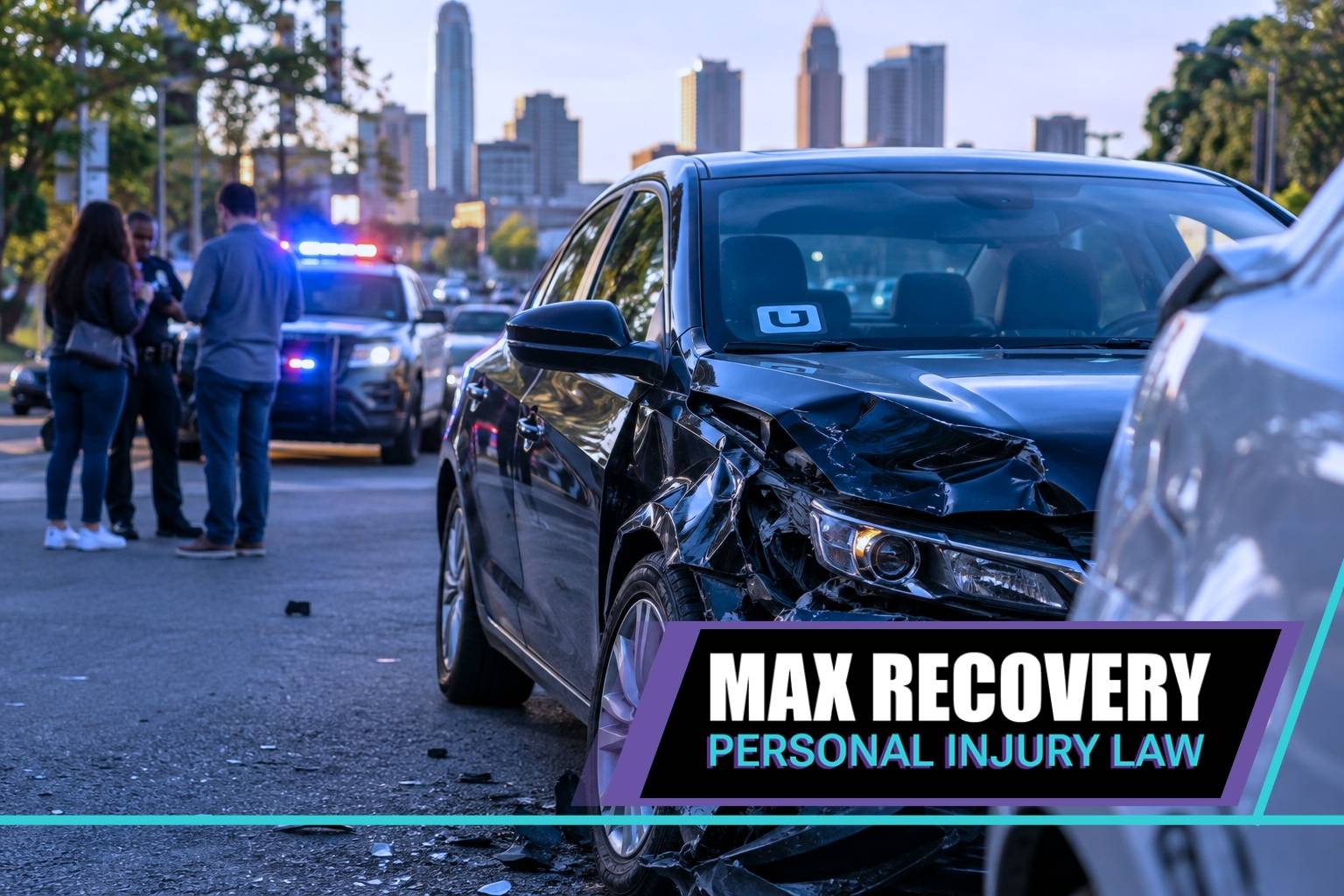
Rideshare services make travel convenient, but an Uber or Lyft crash can create difficult questions about responsibility and insurance. The rideshare driver, another motorist, the transportation network company, or another party may become involved in the claim.
Understanding rideshare accident liability is important because the person who caused the collision and the insurer responsible for paying a claim are not always the same. Coverage may depend on whether the driver’s app was off, the driver was waiting for a request, or an accepted ride was underway.
If you were injured as a passenger, driver, pedestrian, cyclist, or occupant of another vehicle, identifying fault and every applicable policy can be essential to protecting your rights.
What Does Rideshare Accident Liability Mean?
Rideshare accident liability refers to legal responsibility for injuries and losses caused by an Uber, Lyft, or similar transportation network vehicle crash. Liability generally depends on whether a person or organization acted negligently and whether that conduct caused the accident and resulting harm.
A driver may be negligent by speeding, following too closely, failing to yield, driving while distracted, or operating a vehicle while impaired. Establishing negligence can affect whether an injured person may pursue compensation for medical expenses, lost income, pain and suffering, property damage, and other losses.
Who Caused the Crash and Who Provides Coverage?
Fault concerns who caused the accident. Coverage concerns which insurance policy may respond.
The rideshare driver might cause a crash, but the applicable coverage could be maintained by the driver, the rideshare company, or both. Another motorist might cause the collision, making that driver’s policy a potential source of compensation.
Investigating rideshare accident liability, therefore, requires more than identifying which vehicle struck you. The investigation may also require app records, trip timestamps, personal auto policies, rideshare coverage, and uninsured or underinsured motorist coverage.
When the Rideshare Driver May Be Liable
A rideshare driver may be responsible when negligent driving causes a collision. Examples include:
- Looking at the app instead of the road
- Making an unsafe pickup or drop-off
- Speeding or following another vehicle too closely
- Failing to yield at an intersection
- Driving while fatigued or impaired
- Making an unsafe lane change
The driver’s app status does not decide whether the driving was negligent. It can, however, have a significant effect on the insurance available for the accident.
Traffic-camera footage, witness statements, vehicle damage, phone records, and app data may help establish rideshare accident liability.
When Another Driver May Be Responsible
Not every rideshare crash is caused by the Uber or Lyft driver. Another motorist may run a red light, rear-end the rideshare vehicle, make an unsafe turn, or otherwise cause the collision.
When another driver is responsible, the injured person may pursue a claim against that driver’s liability insurer. Depending on the policies and circumstances, uninsured or underinsured motorist coverage may also require evaluation.
More than one driver’s conduct can contribute to an accident. Determining rideshare accident liability may therefore require detailed investigation rather than assumptions based on vehicle positions or initial statements.
Can the Rideshare Company Be Liable?
Rideshare companies generally classify their drivers as independent contractors. That classification can affect whether a company is directly responsible for a driver’s negligence.
The classification does not remove the company from every aspect of the case. The company may maintain insurance that applies during certain stages of rideshare activity, and its electronic records may be critical to establishing driver status. In limited, fact-specific circumstances, the company’s own conduct could also become relevant.
A claim against a rideshare company’s insurance is not necessarily the same as proving the company caused the accident. An attorney evaluating rideshare accident liability should distinguish among driver negligence, potential company conduct, and available insurance.
A manufacturer could also face a claim if a defective vehicle component contributed to the crash. A government entity or contractor might become involved when an unsafe road condition, malfunctioning signal, or negligent road work played a role. These claims can involve special requirements and deadlines.
How Rideshare Insurance Works in North Carolina
North Carolina law divides rideshare insurance requirements according to the driver’s status. The state’s transportation network company insurance statute establishes different requirements when a driver is waiting for a request and when the driver is providing transportation network service.
These stages are central to rideshare accident liability because the available policy can change within minutes. App and trip records may establish which stage existed when the collision occurred.
When the Driver Is Offline
If the driver is not logged into the rideshare platform, the accident is generally handled like a collision involving a personal driver. The driver’s personal auto policy may apply according to its terms, while rideshare-specific coverage ordinarily does not.
When the Driver Is Logged In and Waiting
When a driver is logged into the app but has not accepted a request, North Carolina law requires primary liability coverage of at least:
- $50,000 for bodily injury or death to one person
- $100,000 for bodily injury or death to two or more people in one accident
- $25,000 for property damage
Combined uninsured and underinsured motorist coverage that complies with state requirements is also required. The required coverage may be maintained by the driver, the transportation network company, or both.
When the Driver Has Accepted a Ride
North Carolina defines transportation network service as beginning when the driver accepts a ride request. It ends at the later of the time the transaction is completed in the app or the passengers exit and finish unloading.
During that period, state law requires at least $1 million in primary automobile liability insurance for death, bodily injury, property damage, or a combination of those losses in one accident. Applicable uninsured and underinsured motorist coverage is also required.
These are minimum coverage requirements, not promises that every claim is worth the policy limit. Compensation depends on fault, injuries, damages, available coverage, and supporting evidence.
Why Personal Auto Insurance May Not Apply
A rideshare driver’s personal policy may exclude losses occurring while the driver is logged into the app or providing rideshare service. The North Carolina Department of Insurance explains that personal policies generally do not cover a vehicle while it is being used as a public livery or conveyance.
Drivers can review the Department’s guidance on insurance for transportation network company drivers. For injured claimants, a possible personal-policy exclusion makes the driver’s exact app status and all available coverage especially important.
Why App Data Is Important
App information may establish when a driver logged on, accepted a request, began a trip, and completed it. These timestamps can help determine which insurance requirement applied at the moment of impact.
North Carolina law requires certain parties to exchange specified information during a coverage investigation. That information includes descriptions of coverage and precise login and service times during defined periods surrounding the accident.
Passengers should preserve ride receipts, driver details, screenshots, messages, pickup and destination information, and reports submitted through the platform. This evidence can be central to resolving rideshare accident liability and coverage disputes.
North Carolina’s Contributory Negligence Rule
North Carolina follows a strict contributory negligence rule in many personal injury cases. An injured person who contributes to causing an accident may be prevented from recovering compensation, subject to limited exceptions and the facts of the case.
A passenger generally does not control either vehicle, so the fault investigation often focuses on the drivers. Drivers, pedestrians, cyclists, and occupants of other vehicles may face allegations that their own conduct contributed to the collision.
Insurance companies may search for statements, videos, or other evidence they can use to assign responsibility to the injured person. Avoid guessing about fault, providing unnecessary recorded statements, or posting accident details online before understanding your rights.
This rule makes careful investigation of rideshare accident liability particularly important.
Evidence That May Strengthen a Rideshare Claim
Helpful evidence may include:
- Police crash reports
- Photographs of the scene and vehicles
- Witness names and contact information
- Ride receipts and app screenshots
- Driver and insurance information
- Traffic-camera or surveillance footage
- Medical records and bills
- Wage-loss documentation
- Communications with insurers or the rideshare platform
The North Carolina Division of Motor Vehicles explains how individuals may request a North Carolina crash report. A report can provide important identifying and investigative information, although it does not necessarily make the final legal determination of fault.
Compensation After a Rideshare Accident
Depending on the circumstances, an injured person may pursue compensation for:
- Emergency care and hospitalization
- Follow-up treatment and rehabilitation
- Future medical expenses
- Lost wages
- Reduced earning capacity
- Pain and suffering
- Permanent impairment
- Property damage and related expenses
Severe collisions can cause spinal injuries, fractures, internal injuries, or brain trauma. The attorneys at MAX Recovery understand the legal issues associated with traumatic brain injury claims and can help injured people understand their options.
If a rideshare collision results in death, eligible family members may have separate rights under North Carolina law.
How MAX Recovery Can Help
A rideshare case may involve multiple drivers, insurers, app records, policy exclusions, and North Carolina’s contributory negligence rule. Sorting through these issues while recovering from an injury can be difficult.
The attorneys at MAX Recovery can investigate the collision, seek relevant records, identify potential coverage, document damages, communicate with insurers, and explain the options supported by the facts.
No attorney can guarantee an outcome, but legal representation can help prevent important evidence or coverage issues from being overlooked.
Contact MAX Recovery for a free consultation about your North Carolina rideshare accident.
Frequently Asked Questions
Who is liable when an Uber or Lyft driver causes a crash?
The rideshare driver may be liable when negligent driving causes the accident. The applicable insurance may depend on whether the driver was offline, waiting for a request, traveling to a pickup, or transporting a passenger.
Does rideshare insurance always cover an accident?
No. Coverage depends on the driver’s app status, the cause of the accident, policy terms, and North Carolina law. Personal insurance may apply while the driver is offline, while rideshare coverage may apply during logged-in periods.
What coverage applies when I am a rideshare passenger?
An accepted ride falls within North Carolina’s transportation network service period. State law requires at least $1 million in primary liability coverage during that period, along with applicable uninsured and underinsured motorist coverage. Available coverage does not determine a claim’s value.
What if another driver caused the crash?
The other driver’s liability insurance may be a source of compensation. Other applicable coverage, including uninsured or underinsured motorist protection, may also require review.
Can I recover if I was partly at fault?
North Carolina’s contributory negligence rule may prevent recovery when an injured person contributed to causing the accident. Limited exceptions and fact-specific issues may apply.
Why should I save my rideshare receipt?
The receipt and app screenshots may document the driver, vehicle, route, ride status, and timing. Those details can help establish rideshare accident liability and identify applicable insurance.

 AI Review Summary


