
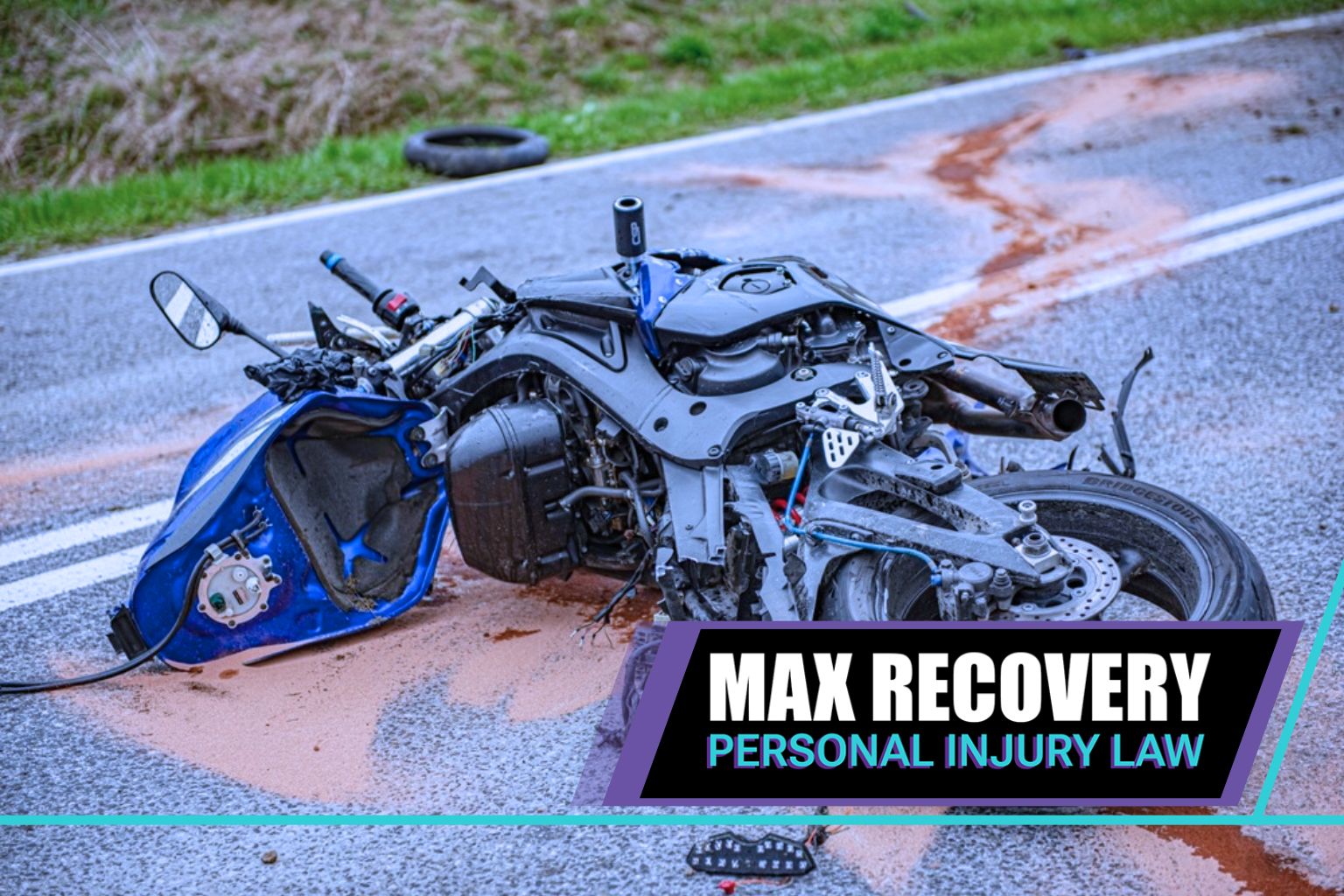
Motorcycles offer freedom, excitement, and fuel efficiency, but they also expose riders to significant risks on North Carolina roads. Unlike occupants of passenger vehicles, motorcyclists have little protection during a collision, making even relatively minor crashes capable of causing severe injuries or fatalities.
Understanding the latest North Carolina motorcycle accident statistics can help riders, drivers, and families better recognize the dangers motorcyclists face and take steps to improve roadway safety. Recent crash data reveals that motorcycle accidents continue to result in a disproportionate number of serious injuries and deaths compared to other types of motor vehicle crashes.
Whether you ride regularly through Charlotte, Raleigh, Greensboro, Asheville, Fayetteville, Wilmington, or smaller communities across the state, reviewing current North Carolina motorcycle accident statistics may provide valuable insight into accident trends, risk factors, and safety concerns affecting riders today.
Why Motorcycle Accident Statistics Matter
Motorcycle crashes often produce devastating consequences. While motorcycles make up a relatively small percentage of registered vehicles on North Carolina roads, riders account for a significantly higher percentage of serious injuries and traffic fatalities.
Analyzing North Carolina motorcycle accident statistics helps transportation officials, law enforcement agencies, safety organizations, and riders identify common causes of crashes and develop strategies aimed at reducing injuries and deaths.
These statistics also help injured riders and their families understand the scope of motorcycle-related dangers throughout the state.
Recent Motorcycle Crash Trends in North Carolina
According to data from the North Carolina Department of Transportation (NCDOT), thousands of motorcycle crashes occur throughout the state each year.
The state’s crash reporting system continues to show that motorcycle accidents often result in more severe injuries than other traffic collisions because riders lack many of the protective features available in passenger vehicles, such as airbags, seat belts, and reinforced vehicle frames.
Recent North Carolina motorcycle accident statistics demonstrate that motorcycle crashes consistently produce high rates of:
- Serious injuries
- Traumatic brain injuries
- Spinal cord injuries
- Fractures
- Internal injuries
- Fatalities
Riders can review the NCDOT Crash Data Dashboard for current crash reporting information.
Motorcycle Fatalities Remain a Major Concern
One of the most alarming aspects of modern North Carolina motorcycle accident statistics involves the number of rider fatalities occurring each year.
Motorcyclists face significantly greater risks of death during collisions than occupants of passenger vehicles. According to the National Highway Traffic Safety Administration (NHTSA), motorcyclists are many times more likely to die in a traffic crash per vehicle mile traveled compared to passenger vehicle occupants.
Motorcycle fatalities often occur in accidents involving:
- Speeding
- Impaired driving
- Failure to yield
- Left-turn collisions
- Lane departures
- Head-on crashes
Common Causes of Motorcycle Accidents in North Carolina
Several recurring factors appear throughout motorcycle accident statistics in North Carolina.
Failure To Yield
Many motorcycle crashes occur when drivers fail to yield the right-of-way to approaching motorcycles. Drivers often misjudge the speed or distance of an oncoming motorcycle, particularly during left turns at intersections.
Distracted Driving
Distracted driving remains a growing concern across North Carolina. Drivers who are texting, adjusting navigation systems, eating, or otherwise distracted may fail to notice motorcycles sharing the roadway.
Speeding
Excessive speed reduces reaction time and increases crash severity. Both motorcyclists and passenger vehicle drivers may contribute to crashes involving unsafe speeds.
Impaired Driving
Alcohol and drug impairment continue to play a role in many serious motorcycle accidents. Impairment affects judgment, coordination, reaction times, and overall driving ability.
Unsafe Lane Changes
Motorcycles are smaller and less visible than passenger vehicles. Drivers who fail to check blind spots before changing lanes may collide with nearby riders.
These risk factors continue to appear throughout many recent North Carolina motorcycle accident statistics reports.
Intersections Are High-Risk Locations
Many motorcycle crashes occur at intersections.
Intersections require multiple vehicles to interact simultaneously, creating opportunities for confusion, distraction, and misjudgment. Motorcyclists are especially vulnerable when drivers fail to notice them approaching.
According to motorcycle safety studies, intersections frequently account for a large percentage of serious rider injuries.
Common intersection-related crashes include:
- Left-turn accidents
- Failure-to-yield collisions
- Rear-end crashes
- T-bone collisions
- Red-light violations
These accident types continue to influence North Carolina motorcycle accident statistics each year.
Helmet Use and Injury Severity
Helmet use remains one of the most important factors affecting motorcycle crash outcomes.
North Carolina law requires all motorcycle operators and passengers to wear helmets that meet federal safety standards. Research consistently shows that helmets reduce the risk of severe head injuries and fatalities.
According to NHTSA, helmets are estimated to save thousands of lives nationwide each year.
Even with helmet laws in place, serious head injuries continue to appear in North Carolina motorcycle accident statistics, particularly during high-speed collisions and crashes involving larger vehicles.
Rural Roads Present Unique Dangers
Many people assume motorcycle accidents primarily occur in urban areas. However, rural roads contribute significantly to statewide crash totals.
Rural highways often involve:
- Higher speed limits
- Narrow lanes
- Limited lighting
- Sharp curves
- Wildlife crossings
- Reduced emergency response times
These conditions can increase crash risks for motorcyclists.
Recent motorcycle accident statistics in North Carolina indicate that many severe and fatal motorcycle crashes occur outside major metropolitan areas.
The Role of Weather in Motorcycle Crashes
Weather conditions can significantly affect motorcycle safety.
Rain, fog, high winds, and wet pavement reduce traction and visibility for riders. Unlike passenger vehicles, motorcycles rely on only two wheels for stability, making adverse weather conditions particularly dangerous.
Common weather-related hazards include:
- Hydroplaning
- Reduced braking ability
- Limited visibility
- Slippery road surfaces
- Strong crosswinds
While weather does not cause every crash, it remains an important factor reflected in many North Carolina motorcycle accident statistics reports.
Motorcycle Injuries Are Often Severe
Motorcycle riders lack many of the protections available to occupants of enclosed vehicles.
As a result, injuries are often catastrophic when collisions occur.
Common motorcycle accident injuries include:
- Traumatic brain injuries
- Concussions
- Spinal cord injuries
- Broken bones
- Road rash
- Internal organ damage
- Amputations
- Facial injuries
Many of these injuries require extensive medical treatment, rehabilitation, and long-term care.
The severity of these injuries contributes significantly to the trends seen in North Carolina motorcycle accident statistics.
North Carolina’s Contributory Negligence Rule
One factor that makes motorcycle accident claims particularly challenging in North Carolina is the state’s contributory negligence doctrine.
Under North Carolina law, an injured person who is found even partially responsible for causing an accident may be barred from recovering compensation in many circumstances.
Insurance companies frequently rely on this rule when investigating motorcycle crashes. Because of this, evidence collection becomes especially important after a collision.
Understanding contributory negligence is essential for riders seeking compensation after an accident and is an important consideration when reviewing North Carolina motorcycle accident statistics involving liability disputes.
How Drivers Can Help Reduce Motorcycle Accidents
Motorcycle safety is a shared responsibility.
Drivers can help reduce crashes by:
- Checking blind spots carefully
- Allowing adequate following distance
- Using turn signals
- Avoiding distractions
- Yielding when required
- Looking twice for motorcycles at intersections
Many motorcycle accidents occur because drivers simply fail to see riders in time. Improved awareness may help reduce future incidents reflected in North Carolina motorcycle accident statistics.
How Riders Can Improve Safety
Motorcyclists can also take steps to reduce crash risks.
Important safety practices include:
- Wearing DOT-approved helmets
- Using protective riding gear
- Completing motorcycle safety courses
- Maintaining safe speeds
- Staying visible to drivers
- Avoiding impaired riding
- Performing regular motorcycle maintenance
While riders cannot control the actions of others, these precautions may reduce injury risks and improve overall safety.
What To Do After a Motorcycle Accident
The moments following a motorcycle crash can be overwhelming.
If possible, injured riders should:
- Seek medical attention immediately
- Contact law enforcement
- Document the accident scene
- Obtain witness information
- Preserve photographs and evidence
- Follow medical treatment recommendations
- Avoid discussing fault at the scene
Prompt action can help protect both health and legal rights following a motorcycle collision.
Why Motorcycle Accident Claims Can Be Complex
Motorcycle accident cases often involve unique challenges.
Insurance companies sometimes attempt to portray riders as reckless or responsible for crashes, even when evidence suggests otherwise. Serious injuries, disputed liability, and North Carolina’s contributory negligence rule can complicate claims significantly.
Because motorcycle accidents frequently result in substantial medical expenses and lost income, obtaining fair compensation may require careful investigation and strong supporting evidence.
Many of the issues highlighted by North Carolina motorcycle accident statistics ultimately become central issues in personal injury claims following serious crashes.
Looking Ahead: Motorcycle Safety in 2026 and Beyond
As North Carolina continues to grow, roadway congestion and traffic volume will likely increase. More vehicles sharing the roads may create additional risks for motorcyclists unless safety awareness improves.
Transportation officials, safety advocates, law enforcement agencies, and riders all play important roles in reducing crashes and improving outcomes.
Continued monitoring of North Carolina motorcycle accident statistics can help identify emerging trends and support future safety initiatives aimed at protecting riders throughout the state.
Contact MAX Recovery After a Motorcycle Accident
If you or a loved one has been injured in a motorcycle accident, understanding your legal rights is important. Serious motorcycle crashes often result in substantial medical expenses, lost wages, and long-term recovery challenges.
The MAX Recovery team helps injured accident victims understand their options and pursue the compensation they may be entitled to under North Carolina law.
Contact MAX Recovery today for a free consultation.
Frequently Asked Questions
Are motorcycle accidents common in North Carolina?
Yes. Recent North Carolina motorcycle accident statistics show that thousands of motorcycle crashes occur throughout the state each year, resulting in numerous injuries and fatalities.
What causes most motorcycle accidents?
Common causes include failure to yield, distracted driving, speeding, impaired driving, unsafe lane changes, and intersection-related collisions.
Are helmets required in North Carolina?
Yes. North Carolina law requires all motorcycle operators and passengers to wear federally approved helmets.
Why are motorcycle injuries often more severe?
Motorcyclists have limited physical protection compared to occupants of passenger vehicles. As a result, crashes often produce serious injuries even at relatively low speeds.
What should I do after a motorcycle accident?
Seek immediate medical attention, report the accident to law enforcement, preserve evidence, and consider speaking with an attorney to better understand your legal options.

 AI Review Summary


