
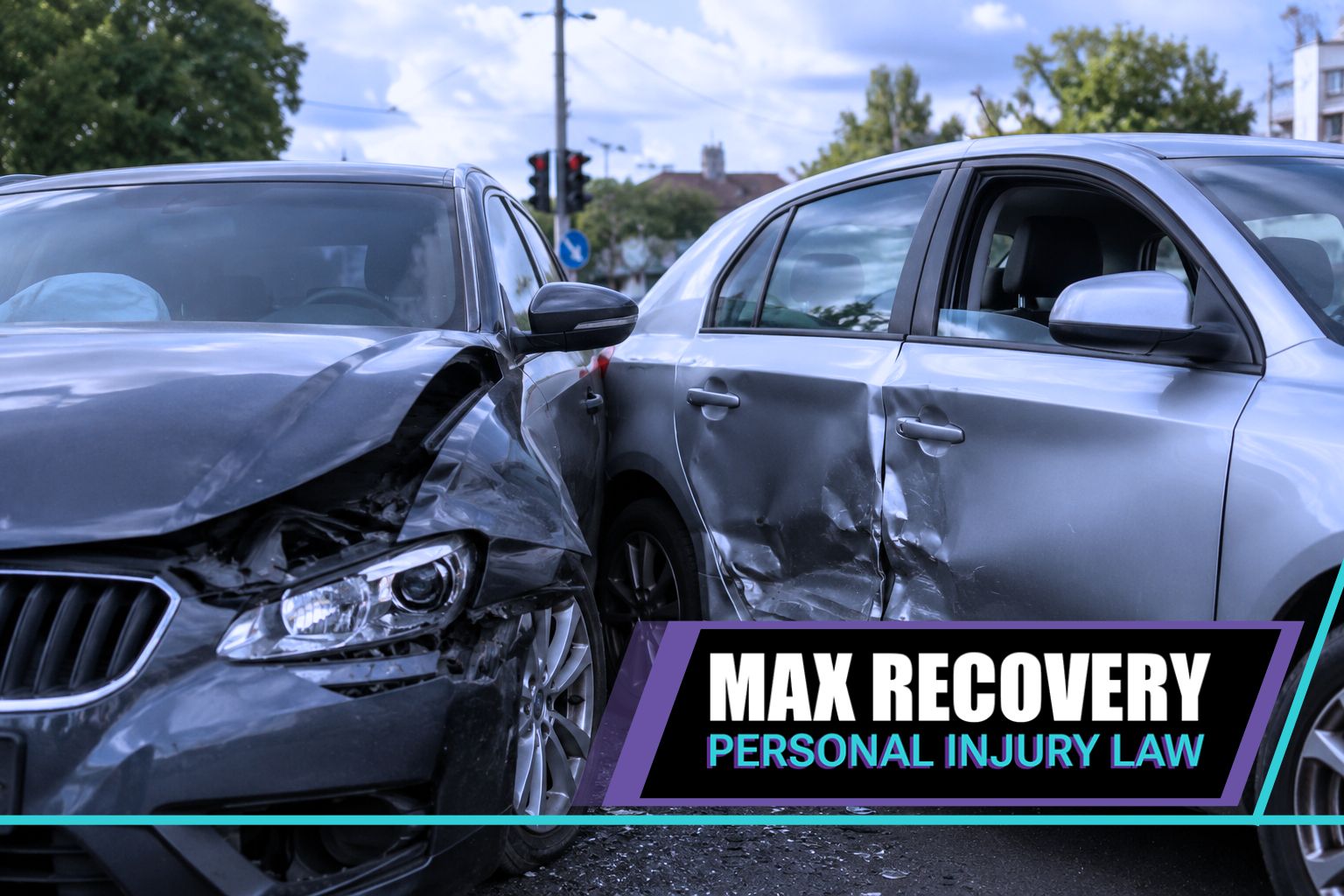
Car accidents happen every day across North Carolina, but determining who caused the crash is often more complicated than many people realize. After a collision, drivers frequently assume fault is obvious. However, insurance companies, law enforcement officers, and attorneys often spend weeks or even months investigating what happened before reaching a conclusion.
Understanding North Carolina car accident fault is extremely important because the state’s laws can significantly impact your ability to recover compensation for medical expenses, lost income, vehicle repairs, and other damages. Unlike most states, North Carolina follows a strict contributory negligence rule that may prevent an injured person from recovering compensation if they are found even partially responsible for causing the accident.
Whether your crash occurred in Charlotte, Raleigh, Greensboro, Asheville, Fayetteville, Wilmington, or another part of the state, understanding how North Carolina car accident fault works can help you protect your rights and make informed decisions during the claims process.
Why Fault Matters After a Car Accident
Determining fault is one of the most important aspects of any car accident claim.
North Carolina follows an at-fault insurance system, which means the driver responsible for causing the accident is generally financially responsible for the damages that result. Before compensation can be recovered, insurance companies must determine who caused the collision.
Establishing North Carolina car accident fault affects several important issues, including:
- Who pays for vehicle repairs
- Whether medical bills can be recovered
- Eligibility for lost wage compensation
- Potential pain and suffering damages
- Insurance settlement negotiations
Because fault can directly impact financial recovery, insurance companies often investigate accidents thoroughly before accepting responsibility.
How Is Fault Determined After a Car Accident?
Determining North Carolina car accident fault involves reviewing evidence from multiple sources.
Insurance adjusters, attorneys, accident reconstruction specialists, and sometimes courts evaluate available information to understand how the collision occurred.
Evidence commonly used to establish fault includes:
- Police reports
- Witness statements
- Photographs of the accident scene
- Traffic camera footage
- Dashcam recordings
- Vehicle damage patterns
- Medical records
- Cell phone records
- Accident reconstruction reports
Rather than relying on a single piece of evidence, investigators typically review all available information to determine who acted negligently and whether that negligence caused the crash.
What Is Negligence?
Most car accident cases revolve around the concept of negligence.
Negligence occurs when a driver fails to exercise reasonable care while operating a vehicle. When that failure causes an accident, the negligent driver may be held legally responsible for resulting damages.
Examples of negligent driving include:
- Speeding
- Distracted driving
- Texting while driving
- Running red lights
- Driving under the influence
- Following too closely
- Failing to yield
- Unsafe lane changes
Insurance companies often focus on whether one or more drivers acted negligently before the collision occurred when investigating North Carolina car accident fault.
North Carolina’s Contributory Negligence Rule
One of the most important aspects of North Carolina car accident fault is the state’s contributory negligence doctrine.
North Carolina is one of only a few states that still follows pure contributory negligence. Under this rule, an injured person who is found even slightly responsible for causing the accident may be barred from recovering compensation.
For example, if another driver is found 99% responsible for a crash but you are found 1% responsible, you may be unable to recover damages in many situations.
This rule often makes fault disputes much more significant than they are in other states.
Because contributory negligence can have such serious consequences, insurance companies frequently search for evidence suggesting the injured person contributed to the collision in some way.
Common Types of Car Accidents and Fault Determination
Different types of accidents often involve different fault considerations.
Rear-End Collisions
Rear-end accidents are among the most common crashes in North Carolina.
In many cases, the driver who strikes another vehicle from behind is considered responsible because drivers are expected to maintain a safe following distance. However, fault is not always automatic. Situations involving sudden stops, malfunctioning brake lights, or unexpected roadway hazards may create disputes regarding North Carolina car accident fault.
Left-Turn Accidents
Drivers making left turns are generally required to yield to oncoming traffic.
Because of this rule, left-turning drivers are often found responsible when collisions occur. However, fault may become disputed if the oncoming driver was speeding, distracted, or ignored traffic signals.
Lane Change Accidents
Lane change crashes frequently occur when drivers fail to check blind spots or signal appropriately.
Determining North Carolina car accident fault in these situations often requires reviewing vehicle positions, witness statements, and available video footage.
Intersection Accidents
Intersections are common locations for serious crashes.
Drivers may dispute who had the green light, who entered the intersection first, or whether a traffic violation occurred. These accidents often require detailed investigation before fault can be determined.
Does a Police Report Determine Fault?
Many drivers assume that the responding police officer has the final say regarding fault.
While police reports often contain valuable information, they do not automatically determine North Carolina car accident fault.
Police officers typically document:
- Driver statements
- Witness observations
- Road conditions
- Vehicle positions
- Traffic citations
- Initial accident assessments
Insurance companies conduct independent investigations and may reach conclusions that differ from the officer’s report. Courts are also not required to accept an officer’s opinion regarding fault.
Although police reports are important evidence, they are only one part of the overall investigation.
How Insurance Companies Investigate Fault
Insurance companies rarely accept liability without conducting their own review.
When evaluating North Carolina car accident fault, insurers often:
- Examine police reports
- Interview witnesses
- Review photographs
- Analyze vehicle damage
- Inspect accident scenes
- Review medical documentation
- Analyze electronic data when available
Insurance adjusters understand that fault directly impacts whether they may have to pay a claim. As a result, investigations can become highly detailed, especially in cases involving serious injuries.
Can More Than One Driver Be At Fault?
Yes.
Many accidents involve actions by multiple drivers. For example, one driver may be speeding while another fails to yield.
In many states, fault is divided among responsible parties. However, because North Carolina follows contributory negligence, even minor responsibility can significantly affect an injured person’s ability to recover compensation.
This makes determining North Carolina car accident fault particularly important when multiple drivers may have contributed to a collision.
How Traffic Violations Affect Fault
Traffic violations often play an important role in accident investigations.
Violations that may support fault findings include:
- Speeding
- Running stop signs
- Running red lights
- Reckless driving
- Improper lane changes
- Driving under the influence
While receiving a citation does not automatically establish fault, it can serve as strong evidence that a driver acted negligently.
Insurance companies frequently review citations when evaluating North Carolina car accident fault.
What Happens When Fault Is Disputed?
Not every accident has a clear answer regarding responsibility.
Conflicting witness statements, limited physical evidence, and differing driver accounts can all create disputes.
When fault remains unclear, insurance companies may continue investigating, negotiate settlements, or ultimately allow courts to resolve the issue.
Disputed North Carolina car accident fault cases often involve additional evidence gathering, expert analysis, and legal arguments regarding liability.
Why Evidence Is Critical
Because fault plays such an important role in North Carolina accident claims, preserving evidence is essential.
After a collision, accident victims should try to gather as much information as possible.
Helpful evidence may include:
- Photographs of vehicle damage
- Accident scene photos
- Contact information for witnesses
- Medical records
- Repair estimates
- Surveillance footage
- Dashcam recordings
Strong evidence can help establish North Carolina car accident fault and protect against unfair attempts to shift blame.
What Is the Last Clear Chance Doctrine?
Although North Carolina’s contributory negligence rule is strict, there are limited exceptions.
One of the most important is the Last Clear Chance Doctrine.
Under this doctrine, an injured person who may have contributed to an accident could still recover compensation if the other driver had the final opportunity to avoid the collision but failed to do so.
These cases are highly fact-specific and often require substantial evidence. However, the doctrine occasionally becomes important when analyzing North Carolina car accident fault in complex claims.
How Fault Affects Settlement Value
Fault can significantly impact the value of an accident claim.
If the evidence clearly establishes another driver’s negligence, settlement negotiations may proceed more smoothly. However, disputed fault often results in:
- Longer investigations
- Delayed settlements
- Increased litigation risks
- Reduced settlement offers
Insurance companies frequently use fault disputes as leverage during negotiations.
Because of North Carolina’s contributory negligence rule, even small disagreements regarding North Carolina car accident fault may substantially affect compensation discussions.
What Should You Do After a Car Accident?
The actions you take immediately after a crash may affect both your health and your legal rights.
Important steps include:
- Calling law enforcement
- Seeking prompt medical treatment
- Taking photographs
- Gathering witness information
- Reporting the accident to your insurer
- Following medical recommendations
- Preserving all documentation
These actions can help strengthen evidence related to North Carolina car accident fault and support your claim moving forward.
Why Legal Guidance Can Be Important
North Carolina’s fault laws are among the strictest in the country.
Because even minimal responsibility can affect compensation rights, insurance companies often work aggressively to shift blame onto injured victims. Understanding how fault is determined and how contributory negligence applies can be challenging without legal guidance.
When serious injuries, disputed liability, or significant financial losses are involved, understanding North Carolina car accident fault may become one of the most important aspects of protecting your future.
Contact MAX Recovery for a Free Consultation
If you were injured in a car accident and have questions about fault, liability, or your ability to recover compensation, the team at MAX Recovery is here to help.
We understand how complicated accident claims can become, especially when insurance companies dispute responsibility. Our team can review your situation, explain your legal options, and help you better understand your rights under North Carolina law.
Contact MAX Recovery today for a free consultation.
Frequently Asked Questions
How is fault determined after a car accident in North Carolina?
North Carolina car accident fault is determined by reviewing evidence such as police reports, witness statements, photographs, video footage, vehicle damage, and accident reconstruction findings.
Can I recover compensation if I was partially at fault?
North Carolina follows contributory negligence, which may prevent recovery if you are found even partially responsible for causing the accident.
Does a police report determine fault?
No. Police reports are important evidence, but insurance companies and courts conduct their own evaluations when determining fault.
Can multiple drivers be responsible for an accident?
Yes. Multiple parties may contribute to a collision, although North Carolina’s contributory negligence rule can complicate recovery when fault is shared.
Why is fault so important in North Carolina?
Because North Carolina follows contributory negligence, determining North Carolina car accident fault often determines whether an injured person can recover compensation at all.

 AI Review Summary


