
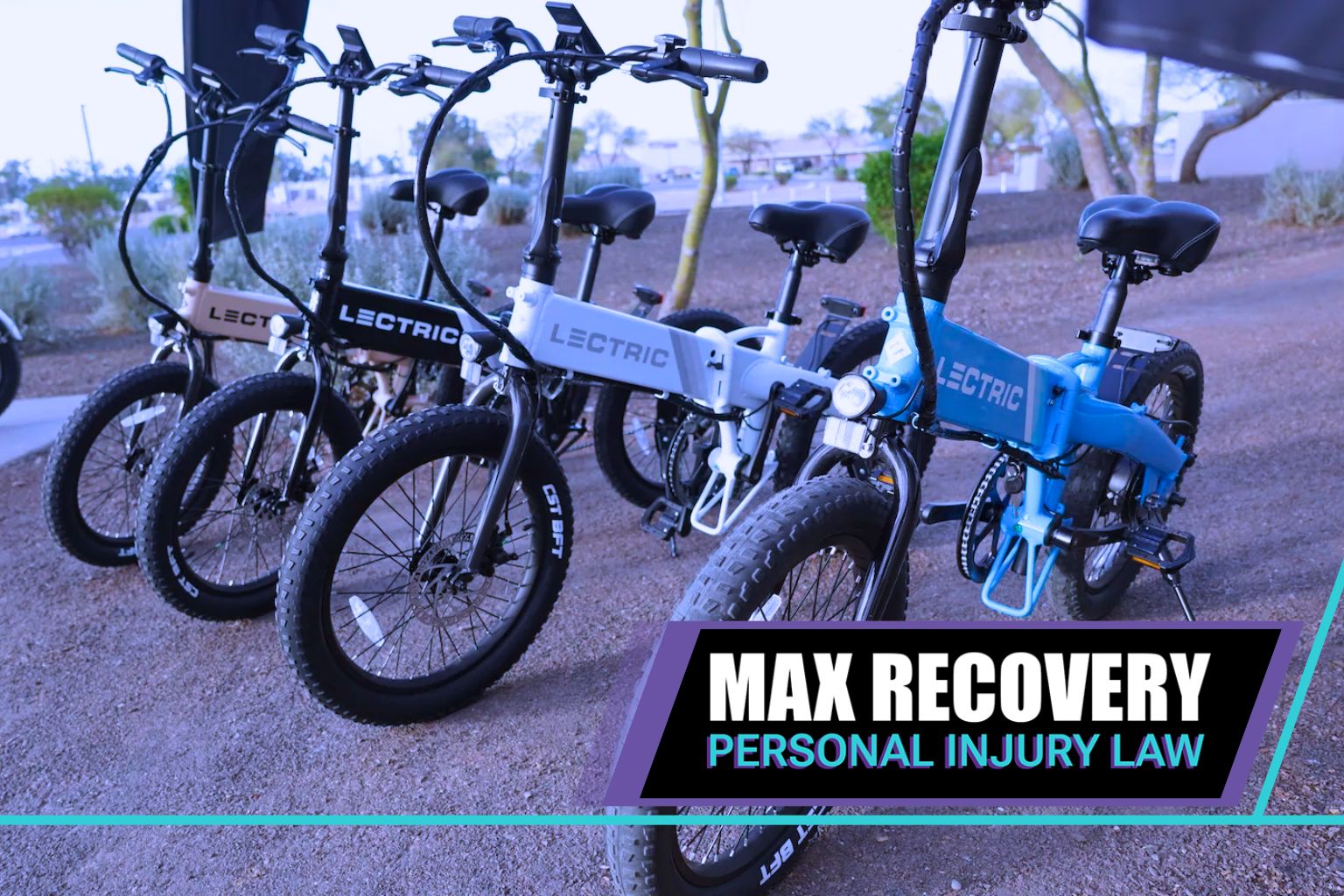
Electric bikes are becoming more common across North Carolina, especially in cities like Charlotte, Raleigh, Asheville, Greensboro, and Fayetteville. As more riders use e-bikes for commuting, recreation, and short-distance travel, understanding North Carolina electric bike laws is becoming increasingly important.
Whether you ride an electric bike near downtown Raleigh, along greenways in Charlotte, or through neighborhoods in Asheville, knowing the current rules can help you stay safer and avoid legal issues. North Carolina electric bike laws continue to evolve as lawmakers respond to growing concerns about traffic safety, injuries, and where e-bikes are allowed to operate.
E-bike accidents are also becoming more common nationwide. According to the U.S. Consumer Product Safety Commission, injuries involving electric bikes increased significantly between 2017 and 2022, with nearly half of all estimated injuries during that period occurring in 2022 alone. As e-bike use grows across North Carolina, understanding how these laws work can help protect both riders and drivers.
What Is Considered an Electric Bike in North Carolina?
Under North Carolina electric bike laws, an electric bicycle is generally defined as a bicycle equipped with operable pedals and an electric motor that assists with propulsion.
North Carolina follows a three-class e-bike system commonly used throughout the United States:
- Class 1 e-bikes provide pedal-assist only and stop assisting at 20 mph
- Class 2 e-bikes include a throttle and can operate up to 20 mph
- Class 3 e-bikes provide pedal assistance up to 28 mph
Understanding these classifications is important because North Carolina electric bike laws may treat certain classes differently when it comes to speed restrictions, helmet requirements, and where riders can operate them.
According to the North Carolina Department of Transportation, e-bike riders are generally expected to follow many of the same traffic rules as traditional bicyclists.
Are Electric Bikes Legal in North Carolina?
Yes, electric bikes are legal throughout North Carolina. However, North Carolina electric bike laws regulate how and where these bikes can be used.
In most cases, riders can legally operate e-bikes on public roads, bike lanes, multi-use paths, and greenways where bicycles are permitted. However, local municipalities may impose additional restrictions depending on the area.
Some parks, pedestrian-heavy areas, or recreational trails may prohibit certain types of e-bikes, especially faster Class 3 models. Riders should always check local signage and city ordinances before riding in unfamiliar areas.
Do You Need a License To Ride an Electric Bike in North Carolina?
One of the most common questions involving North Carolina electric bike laws is whether riders need a driver’s license or registration.
Currently, most electric bikes in North Carolina do not require:
- A driver’s license
- Vehicle registration
- License plates
- Motorcycle insurance
However, this generally applies only to e-bikes that meet the legal classification standards. More powerful motorized bikes or modified e-bikes may fall under moped or motorcycle regulations instead.
Helmet Laws for Electric Bike Riders
North Carolina law generally requires helmets for:
- Riders under age 16 on bicycles
- Certain higher-speed electric bike riders depending on classification and local rules
Even when helmets are not legally required, wearing one is strongly recommended. According to the National Highway Traffic Safety Administration, helmets significantly reduce the risk of serious head injuries during bicycle and e-bike accidents.
Head injuries are among the most common injuries reported in electric bike crashes nationwide.
Where Can You Ride an Electric Bike in North Carolina?
North Carolina electric bike laws typically allow e-bikes in many of the same places as standard bicycles, but there are exceptions.
E-bikes are commonly allowed on:
- Public streets
- Bike lanes
- Bicycle routes
- Certain greenways and shared-use paths
However, some areas may prohibit:
- High-speed e-bikes
- Throttle-powered e-bikes
- Riding on sidewalks in busy commercial areas
Local ordinances may vary between Charlotte, Raleigh, Greensboro, Asheville, and smaller municipalities.
Why Electric Bike Accidents Are Becoming More Common
Electric bikes are becoming a more common sight across North Carolina, especially in growing cities like Charlotte, Raleigh, and Asheville. As more riders use e-bikes for commuting and recreation, accident rates have also increased.
One reason is speed. Electric bikes can travel much faster than traditional bicycles, which reduces reaction time for both riders and drivers. Many riders are also unfamiliar with how quickly e-bikes accelerate, particularly in busy traffic or crowded pedestrian areas.
Drivers are still adjusting as well. Because electric bikes are quieter and move faster than many people expect, motorists may misjudge distance or fail to notice riders before turning or changing lanes.
According to the Consumer Product Safety Commission, injuries involving electric bikes have increased sharply in recent years, particularly among younger riders and urban commuters. As North Carolina continues expanding bike lanes and greenways, understanding North Carolina electric bike laws is becoming more important for everyone on the road.
Common Injuries in Electric Bike Accidents
Electric bike accidents can lead to serious injuries, especially when riders collide with passenger vehicles or lose control at higher speeds.
Common injuries include:
- Traumatic brain injuries
- Broken bones
- Spinal injuries
- Road rash
- Facial injuries
- Internal injuries
Because e-bikes can travel faster than traditional bicycles, crashes often involve more severe impacts.
You can learn more about accident-related injuries by reviewing our car accidents page and additional injury resources.
How North Carolina Electric Bike Laws Affect Injury Claims
North Carolina electric bike laws can directly affect liability after an accident.
North Carolina follows a strict contributory negligence rule. This means if a rider is found even partially responsible for causing the accident, recovering compensation may become significantly more difficult.
Violations that may affect injury claims include:
- Ignoring traffic signals
- Riding where e-bikes are prohibited
- Operating without proper lighting at night
- Unsafe riding behavior
- Speeding through pedestrian areas
Because contributory negligence laws are strict, following North Carolina electric bike laws carefully can be extremely important after a crash.
In North Carolina, where contributory negligence laws apply, having strong evidence can be critical. Our team can help you understand your rights after a personal injury or electric bike accident, with offices in Asheville, Charlotte, Fayetteville, Greensboro, and Raleigh, serving neighborhoods throughout the state.
Staying Safe While Riding an Electric Bike in North Carolina
Following North Carolina electric bike laws is important, but safe riding habits matter just as much. Many electric bike accidents happen because riders or drivers misjudge speed, visibility, or stopping distance.
Riders should stay visible at all times, especially near intersections and heavily traveled roads. Wearing reflective gear, using headlights at night, and avoiding blind spots can all help reduce accident risks. In busy areas like downtown Raleigh or Charlotte, remaining predictable and following traffic signals carefully is especially important.
It is also important to remember that electric bikes accelerate faster than traditional bicycles. Riders who are unfamiliar with higher speeds may have trouble reacting quickly in traffic or crowded pedestrian areas.
Even experienced cyclists should take time to understand how their e-bike handles before riding in heavier traffic conditions.
Steps To Take After an Electric Bike Accident
If you are involved in an electric bike accident, taking the right steps afterward can protect both your health and your legal rights.
- Seek medical attention immediately
- Call law enforcement if injuries occurred
- Take photos of the scene and vehicle damage
- Collect witness information
- Obtain a copy of the police report
- Keep records of medical treatment and expenses
- Avoid discussing fault at the scene
These steps can help preserve important evidence if questions arise about liability or injuries later.
You can also review our accident claim guidance for additional information about protecting your rights after a crash.
Insurance Complications After an Electric Bike Accident
Insurance coverage can become surprisingly complicated after an electric bike accident. Many riders assume their injuries or property damage will automatically be covered, but that is not always the case.
Depending on the circumstances, several different insurance policies could potentially apply. Auto insurance may cover injuries if a driver caused the crash, while health insurance may help with medical expenses. Some homeowners’ policies provide limited protection for electric bikes, although coverage often depends on the bike’s speed and classification.
Questions can also arise about whether an electric bike qualifies as a bicycle or a motor vehicle under certain policies. This is one reason why understanding North Carolina electric bike laws matters so much after an accident.
How Local Governments Are Responding
As e-bike use increases, local governments throughout North Carolina are continuing to review safety concerns and possible regulation updates.
Some cities are discussing:
- Speed restrictions on greenways
- Additional helmet requirements
- Restrictions in crowded pedestrian zones
- Safety education initiatives
The National Transportation Safety Board has also raised concerns nationally about increasing micromobility injuries involving e-bikes and scooters.
When It May Be Time To Explore Your Legal Options
Not every electric bike accident leads to a complicated legal claim, but some situations can quickly become difficult. Serious injuries, disputed fault, or unclear insurance coverage can create challenges that are hard to manage alone.
North Carolina’s contributory negligence rules can make these cases especially complicated. Even a small amount of alleged fault could affect your ability to recover compensation after a crash.
If you are dealing with mounting medical bills, ongoing symptoms, or insurance delays, understanding your legal options early may help protect your financial future. Our team helps clients throughout Asheville, Charlotte, Fayetteville, Greensboro, and Raleigh, serving neighborhoods across North Carolina with guidance after serious accidents.
Contact Our Firm For A Free Consultation
If you have been injured in an electric bike accident in North Carolina, do not wait to seek guidance. Our team understands the challenges that can follow a serious crash, especially when medical bills, insurance disputes, and liability questions are involved.
Contact us today for a free consultation. We will review your situation, explain your options, and help you move forward with confidence.
We are committed to protecting your rights and helping you pursue the best possible outcome after an accident.
Frequently Asked Questions
1. Are electric bikes legal in North Carolina?
Yes, electric bikes are legal under North Carolina electric bike laws as long as they meet state classification requirements. Most e-bikes can be ridden on public roads, bike lanes, and shared-use paths where traditional bicycles are allowed. However, local governments may impose additional restrictions depending on the area and type of electric bike involved.
2. Do I need a license to ride an electric bike in North Carolina?
In most cases, riders do not need a driver’s license, registration, or insurance for standard electric bikes that meet legal classifications. However, modified or higher-powered bikes may fall under different regulations. Understanding North Carolina electric bike laws is important because improperly classified vehicles could create legal and insurance complications after an accident.
3. Can I ride an electric bike on sidewalks or greenways?
This depends on local rules and the type of e-bike involved. Many greenways and bike paths allow electric bikes, but some areas may prohibit faster Class 3 e-bikes or throttle-powered bikes. Riders should always review local regulations and posted signs before riding in pedestrian-heavy areas or public parks.
4. What happens if I get into an electric bike accident?
After an accident, you should seek medical attention, document the scene, and report the incident if necessary. North Carolina electric bike laws may affect how fault is determined, especially because the state follows contributory negligence rules. Preserving evidence and understanding your rights early can be very important after a serious crash.
5. Are electric bike injuries becoming more common?
Yes. National injury data shows that electric bike accidents and injuries have increased significantly in recent years as e-bike use has become more widespread. Higher speeds, heavier traffic, and inexperienced riders have all contributed to growing safety concerns across North Carolina and throughout the United States.

 AI Review Summary


