
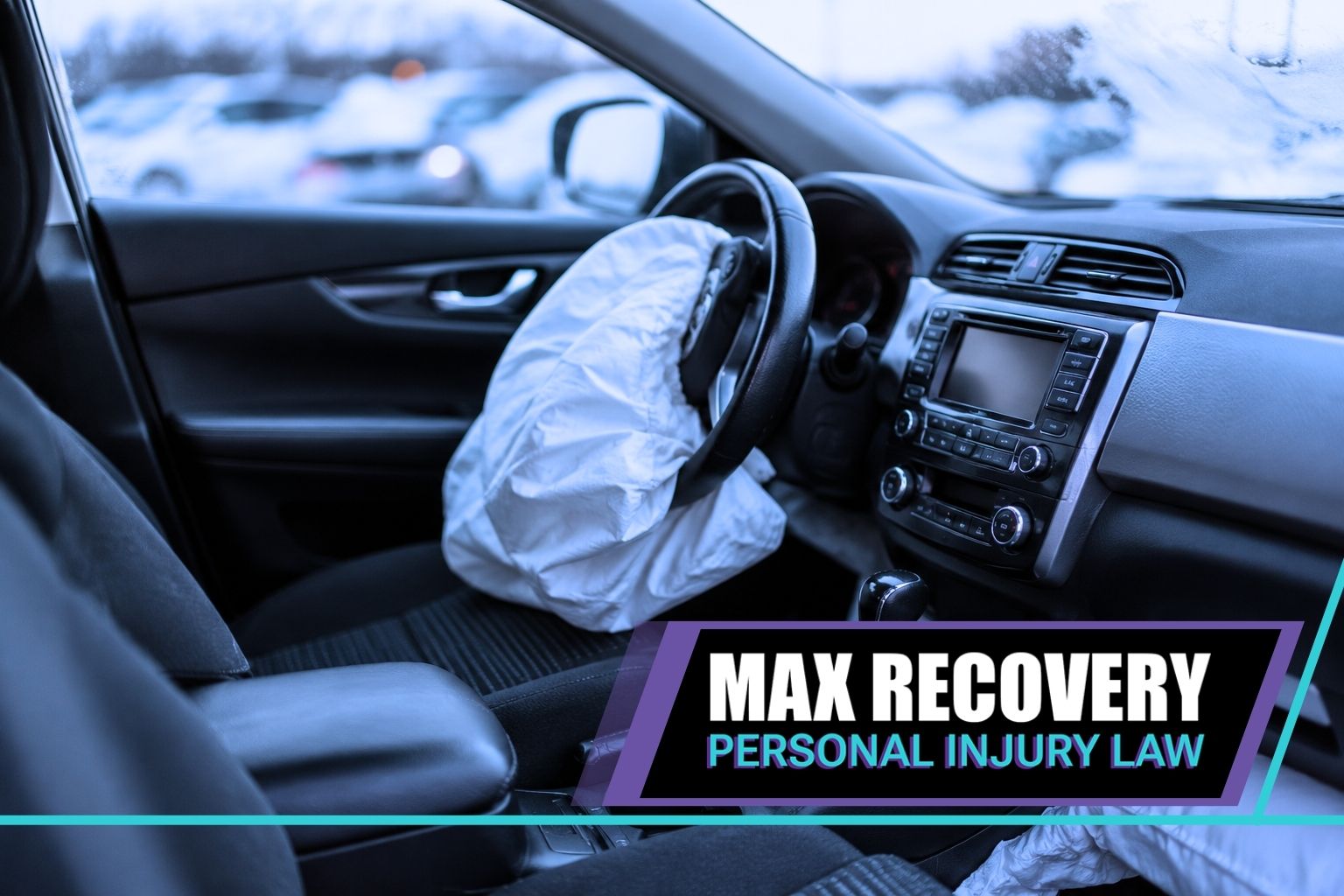
A collision can place tremendous force on the chest through a seat belt, airbag, steering wheel, or direct impact. For someone with breast implants, that trauma may raise an immediate concern: could the crash have damaged or ruptured an implant?
A breast implant rupture after a car accident is possible, although not every impact damages an implant. Symptoms also vary. A saline implant may visibly deflate, while a silicone rupture may produce subtle symptoms or no noticeable change.
At MAX Recovery, we understand why these claims can be physically, emotionally, and financially difficult. A breast implant injury after a wreck may require specialized imaging, plastic-surgery consultations, revision surgery, and time away from work. The insurer may also argue that the rupture existed before the crash. Knowing what to document can protect both your health and a potential North Carolina injury claim.
Can a Car Accident Rupture a Breast Implant?
Yes. Breast implants are designed to withstand ordinary pressure, but they are not lifetime devices or immune to trauma. The U.S. Food and Drug Administration identifies physical stresses, including trauma or intense physical pressure, as possible causes of rupture.
A car accident breast implant injury may result from:
- A shoulder belt tightening across the breast
- Forceful airbag deployment
- Impact with the steering wheel, dashboard, or door
- Compression between the body and another object
- Chest trauma caused by debris or a fractured rib
The presence of a rupture does not prove its cause. Implants can also fail because of age, capsular contracture, surgical damage, or other factors. Establishing whether a collision caused or aggravated the damage requires medical evaluation and supporting evidence.
Saline and Silicone Ruptures May Look Different
The type of implant can affect how a breast implant rupture after a car accident appears.
Saline Implant Rupture
When a saline implant shell tears, the sterile saltwater solution usually leaks out and is absorbed by the body. The affected breast may lose volume or become visibly asymmetrical. Deflation may happen quickly or develop over several days.
The damaged shell remains and may require surgery. The patient may also experience soreness, appearance changes, or emotional distress.
Silicone Implant Rupture
A silicone rupture can be harder to recognize. The gel may remain within the scar-tissue capsule surrounding the implant, known as an intracapsular rupture. If silicone moves beyond that capsule, the rupture is extracapsular.
The FDA warns that many silicone ruptures are silent. A person and even a clinician may not identify the damage through symptoms or physical examination alone. That makes follow-up especially important after significant chest trauma.
Symptoms of Breast Implant Damage After a Collision
Possible signs of a ruptured implant after a crash include:
- A decrease in breast size or volume
- A change in breast shape, position, or symmetry
- Pain, tenderness, burning, or swelling
- New firmness or hard lumps
- Tingling, numbness, or another sensation change
- Visible rippling or distortion
- Bruising where the seat belt crossed the chest
These symptoms can also result from bruising, hematoma, displacement, capsular injury, or another condition. A medical professional must determine the cause.
Do not assume the implants are intact because there is no immediate change. The American Society of Plastic Surgeons notes that some people with ruptured implants have no symptoms. Report delayed pain, shape changes, or firmness even if the emergency examination did not identify an implant problem.
Other Implant Injuries a Crash Can Cause
A collision can affect more than the implant shell. Direct trauma may damage breast tissue or the capsule that naturally forms around the implant.
A breast implant injury after a wreck may involve displacement, capsular tears, capsular contracture, hematoma, fluid accumulation, scarring, or changes in sensation. An intact implant can still move out of position or become painful.
When our North Carolina car accident lawyers investigate these cases, we consider the entire breast and chest injury rather than focusing only on whether the shell ruptured.
How Is an Implant Rupture Diagnosed?
A clinician may consider the accident history, symptoms, examination, implant type, implant age, and prior medical records. Imaging recommendations can differ based on those factors.
The FDA states that MRI is the most effective method for detecting silent silicone rupture and that ultrasound is an acceptable screening alternative for asymptomatic patients. The American College of Radiology’s breast implant evaluation criteria provide more detailed guidance based on implant type, symptoms, and age.
A physician, plastic surgeon, and radiologist can determine whether ultrasound, MRI, mammography, or another study is appropriate. For a claim involving breast implant damage after a collision, records should explain why imaging was ordered and what it showed. A report identifying a rupture may not establish when or why it occurred.
What Should You Do if You Suspect Implant Damage?
If you suspect a breast implant rupture after a car accident, prioritize medical care.
- Tell providers that you have implants and experienced chest trauma.
- Describe where the seat belt, airbag, or another object struck you.
- Report pain, firmness, swelling, asymmetry, or sensation changes.
- Follow up with an appropriate provider or plastic surgeon.
- Complete recommended imaging and treatment.
- Seek urgent care for severe pain, breathing difficulty, rapidly increasing swelling, significant redness, fever, or other concerning symptoms.
- Keep imaging reports, bills, work restrictions, and treatment instructions.
Photograph visible bruising and appearance changes when appropriate. Save pre-accident photographs and implant records, including the manufacturer, placement date, and prior imaging. These materials can help doctors evaluate the change and help our personal injury attorneys document the claim.
How Is a Ruptured Implant Treated?
Treatment depends on the implant type, leakage, symptoms, tissue condition, and the patient’s preferences. A plastic surgeon may discuss removal, replacement, treatment of the surrounding capsule, or another revision procedure.
A trauma-related implant rupture may create expenses for surgery, anesthesia, facility fees, medications, postoperative garments, follow-up care, and missed work. Some patients require staged procedures or treatment for complications.
Qualified medical professionals should direct treatment. Our role is to document the financial and personal effects of that care, not to make medical decisions.
Why Causation Can Be Disputed
One of the biggest challenges in a breast implant rupture after a car accident claim is proving that the collision caused the damage. Silicone ruptures can remain silent, and older implants face a greater risk of failure. An insurer may argue that the rupture predated the wreck or resulted from device aging.
Evidence supporting a claim may include:
- Records showing no prior breast symptoms
- Recent imaging showing intact implants
- Pre-accident photographs
- Immediate chest complaints in emergency records
- Seat-belt marks or bruising
- Vehicle damage and impact evidence
- Post-accident imaging
- Opinions from a plastic surgeon or radiologist
- A consistent timeline of symptoms and treatment
Prompt care matters because an unexplained treatment gap can complicate causation. Still, a delayed diagnosis does not automatically defeat a claim. Silent rupture and gradually developing symptoms must be evaluated through medical evidence.
What if the Implant Was Old or Had a Prior Problem?
An at-fault driver does not necessarily avoid responsibility because an implant was older or the patient had a preexisting condition. A collision may aggravate an existing problem or turn an asymptomatic condition into one requiring treatment.
For a claimed implant rupture from a crash, the important questions include what changed, when it changed, and what additional care became necessary. Prior records may be relevant, but the mere existence of an older implant does not prove that the collision caused no harm.
At MAX Recovery, we work to separate preexisting circumstances from new or aggravated injuries so the claim reflects the losses actually caused by the wreck.
What Compensation May Be Available?
Someone who suffers a car accident breast implant injury because of another driver’s negligence may pursue compensation for legally recoverable losses, including:
- Emergency and follow-up care
- Ultrasound, MRI, and other testing
- Plastic-surgery consultations
- Implant removal, replacement, or revision
- Anesthesia, facility, medication, and postoperative costs
- Lost income or reduced earning ability
- Physical pain and discomfort
- Scarring, asymmetry, or disfigurement
- Emotional distress
- Future care supported by medical evidence
Insurers may characterize revision surgery as elective or cosmetic. Medical opinions can explain why treatment became necessary after the collision. Our attorneys evaluate the complete effect of the injury rather than limiting the claim to the cost of the device.
North Carolina Rules That Can Affect the Claim
North Carolina’s contributory negligence rule can create a serious obstacle if an insurer alleges that the injured person helped cause the collision. Preserving crash evidence is therefore as important as documenting the breast implant damage after a collision.
Timing matters as well. North Carolina General Statute § 1-52 establishes a three-year period for many personal injury claims, but exceptions and different deadlines may apply. Medical evidence and video can disappear much sooner.
Most claims resolve through insurance negotiations. If an insurer refuses fair compensation, our explanation of the personal injury lawsuit process describes how litigation may proceed.
Mistakes That Can Weaken the Claim
After a ruptured implant after a crash, avoid ignoring symptoms, failing to tell providers about the implants, missing recommended follow-up care, discarding implant records, or signing a release before the diagnosis and future treatment are understood.
Do not assume an initial chest scan evaluated implant integrity. You should report the crash accurately and cooperate with reasonable policy requirements, but you do not have to guess about medical causation or minimize symptoms whose significance is not yet known.
How MAX Recovery Can Help
A breast implant rupture after a car accident requires careful coordination of medical and legal evidence. At MAX Recovery, we investigate the crash, preserve proof of chest trauma, obtain prior and current medical records, identify insurance coverage, and document treatment costs and personal losses.
With a trauma-related implant rupture, our team also addresses insurer arguments about implant age, silent rupture, cosmetic treatment, and preexisting conditions. When medical evidence is needed, we work to present the diagnosis and causation clearly while leaving treatment decisions to qualified providers.
We invite you to learn more about the attorneys handling our injury cases and how our team supports accident victims.
If you believe a collision damaged your implant, contact MAX Recovery for a free consultation. We can review the accident, explain your options, and help you pursue the recovery available under North Carolina law.
Frequently Asked Questions
Can a seat belt rupture a breast implant?
Severe seat-belt pressure may contribute to an implant or capsular injury. Whether it caused a breast implant rupture after a car accident requires medical evaluation and collision evidence.
Will a saline rupture be obvious?
It is often more noticeable because the affected breast loses volume. Deflation may occur rapidly or over several days.
Can a silicone implant rupture without symptoms?
Yes. The FDA describes many silicone ruptures as silent. Appropriate imaging may be needed because physical examination alone can miss the damage.
Should I get an MRI after every car accident?
Not necessarily. A medical professional should select imaging based on implant type, symptoms, age, examination findings, and other circumstances.
Can I recover the cost of replacement implants?
If another person caused the collision and the crash caused or aggravated the rupture, reasonable treatment expenses may be part of an injury claim. Recovery depends on the evidence and circumstances.
What if the insurer says the rupture was preexisting?
Prior records, post-accident symptoms, imaging, impact evidence, and medical opinions may help establish whether the collision caused or aggravated the condition.

 AI Review Summary


