
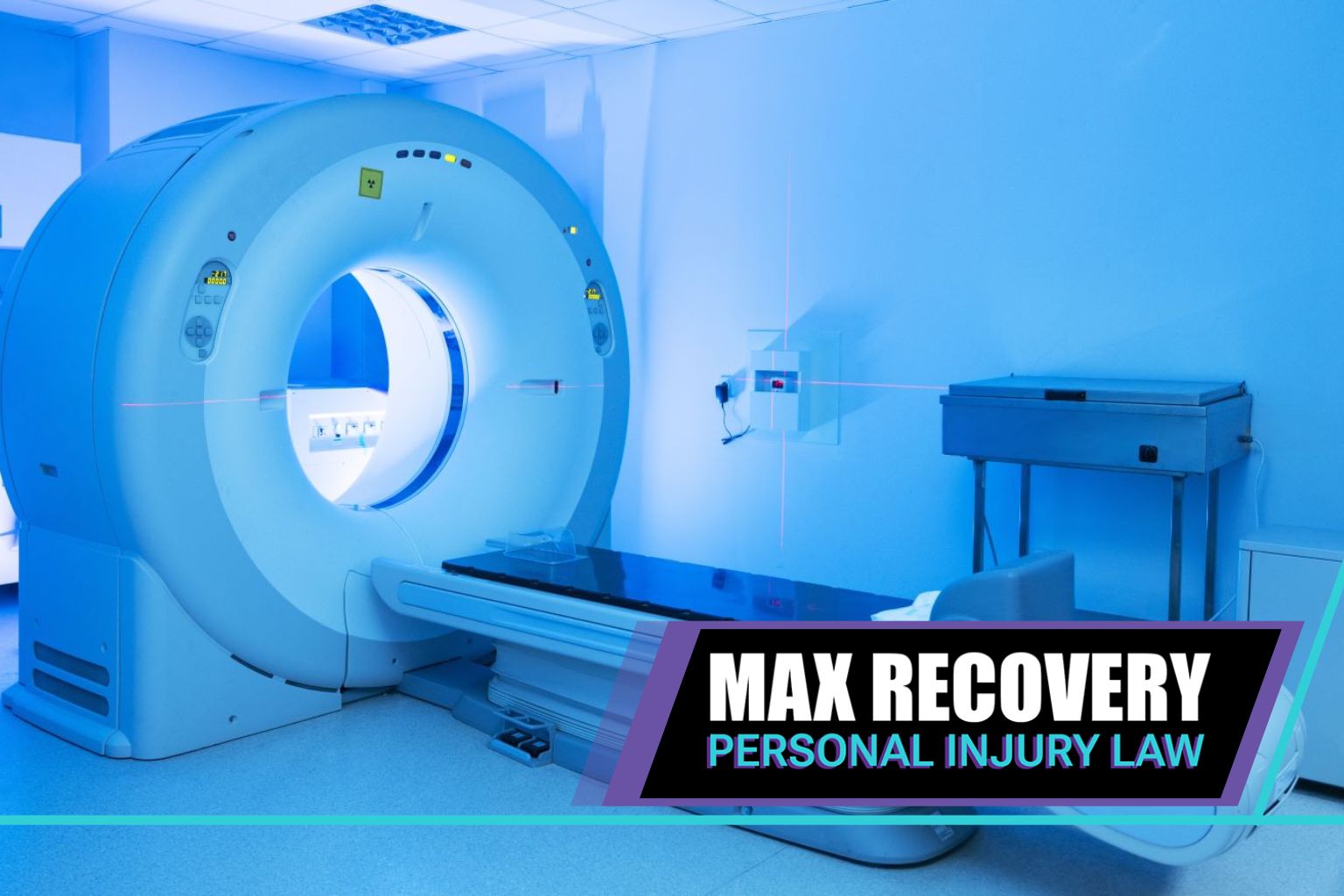
After a car accident, it is common to feel unsure about what medical care you may need. One of the most important questions people ask is where to get an MRI after an accident in North Carolina and whether it is necessary. If you are dealing with ongoing pain, stiffness, or delayed symptoms, getting an MRI after an accident may help identify injuries that are not immediately visible.
Many people across North Carolina, from Charlotte to Raleigh and along busy highways like I-40, search for care options near them after a crash. Understanding when and where to get an MRI can help protect your health and your potential injury claim.
What Is an MRI and Why Might You Need One?
An MRI, or magnetic resonance imaging scan, is a diagnostic tool used to detect soft tissue injuries. Unlike X-rays, which focus on bones, an MRI after an accident in North Carolina can reveal damage to muscles, ligaments, discs, and nerves.
After an accident near you, doctors may recommend an MRI if your symptoms suggest underlying injuries. These can include herniated discs, whiplash-related damage, or nerve compression that may not appear on basic imaging.
According to the National Institutes of Health, MRI scans are one of the most effective ways to detect soft tissue injuries early, helping guide proper treatment.
When Should You Get an MRI After an Accident in North Carolina?
Not every accident requires advanced imaging, but there are clear situations where getting an MRI after an accident is important.
You may need an MRI if you experience:
- Persistent back or neck pain
- Tingling or numbness in your limbs
- Headaches or dizziness after impact
- Reduced mobility or stiffness
- Pain that worsens over time
Even in lower-speed crashes, injuries can develop gradually. Waiting too long to get an MRI after an accident in North Carolina can delay treatment and make recovery more difficult.
Where to Get an MRI After an Accident Near You
If you are searching for where to get an MRI near you, there are several options available depending on your location and medical needs.
Common options include:
- Hospitals and emergency departments: Often used for immediate or severe injuries
- Outpatient imaging centers: Typically more affordable and faster scheduling
- Specialist clinics: Orthopedic or spine specialists may provide MRI referrals
- Primary care referrals: Your doctor can guide you to a trusted facility
Cities like Charlotte, Raleigh, and Durham have multiple imaging centers, while smaller communities also offer local options.
Why Location Matters When Getting an MRI
Finding an MRI after an accident in North Carolina near you is important for both convenience and consistency in your care. Traveling long distances after an accident can be difficult, especially if you are in pain.
Local imaging centers also make it easier to attend follow-up appointments and maintain consistent treatment. This can be especially helpful if your injuries require ongoing care or physical therapy.
Choosing a provider close by ensures you can stay on track with your recovery while also keeping your medical documentation consistent.
How an MRI Can Affect Your Injury Claim
Getting an MRI after an accident in North Carolina can play a significant role in your injury claim. Insurance companies rely on medical evidence when evaluating cases, and MRIs provide clear documentation of internal injuries.
Without imaging, it may be difficult to prove the extent of your injuries. This can affect how your claim is valued or even whether it is approved.
In North Carolina, where contributory negligence laws apply, having strong medical evidence can be critical. Our team can help you learn about your rights involving personal injury and car accidents.
How Insurance Companies View MRIs After an Accident
When you get an MRI after an accident in North Carolina, it does more than help your doctor diagnose injuries. It also becomes a key piece of evidence in your insurance claim. Insurance companies often rely heavily on objective medical records when deciding how to evaluate and value a case.
An MRI after an accident in North Carolina can show clear, visual proof of injuries such as herniated discs, ligament damage, or nerve compression. Without this type of documentation, insurers may argue that your injuries are minor, unrelated, or not serious enough to justify compensation. This is especially important in cases where symptoms are not immediately visible or worsen over time.
Insurance adjusters also look closely at the timing of your MRI. If there is a long gap between the accident and when imaging is performed, they may question whether the injury was actually caused by the crash. This is why it is important to follow medical advice and avoid delays if your doctor recommends further testing.
In some cases, insurance companies may try to downplay MRI results or request additional opinions. They may argue that findings are related to pre-existing conditions rather than the accident itself. However, even pre-existing conditions can be aggravated by a crash, and an MRI can help demonstrate that change.
What Happens If You Delay Getting an MRI?
Delaying an MRI can create challenges for both your health and your claim.
Insurance companies may argue that:
- Your injuries are not serious
- Your injuries were not caused by the accident
- Your condition worsened due to lack of treatment
Additionally, untreated injuries may become more severe over time. Getting an MRI after an accident in North Carolina as soon as symptoms persist helps create a clear connection between the crash and your injuries.
Steps To Take Before Getting an MRI
If you are considering getting an MRI after an accident in North Carolina, taking the right steps beforehand can improve both your care and your documentation.
- Seek medical attention immediately to establish a record
- Follow your doctor’s recommendations for imaging
- Track your symptoms daily to show progression
- Keep all medical records and receipts
- Avoid gaps in treatment that could weaken your claim
Common Misconceptions About MRIs After an Accident
There are several misunderstandings about getting an MRI after an accident in North Carolina.
- MRIs are not always needed immediately
- Some injuries take time to appear
- An MRI does not guarantee compensation
- Insurance companies may question delays
Understanding these points can help you make informed decisions about your care and your next steps.
When To Seek Legal Guidance
If you are dealing with ongoing symptoms or complications, it may be helpful to explore your options for legal assistance nearby. Getting an MRI after an accident in North Carolina is one part of the process, but understanding your rights is equally important.
Legal guidance from our team can help ensure your injuries are properly documented and your claim is handled fairly, especially if liability is disputed. We can also help you understand your rights after a personal injury or car accident, with offices in Asheville, Charlotte, Fayetteville, Greensboro, and Raleigh, serving neighborhoods across the state.
Contact Our Firm For A Free Consultation
If you are dealing with injuries after an accident in North Carolina, do not wait to get the support you need. Our MAX Recovery team understands how medical evidence, including MRIs, can impact your recovery and your claim.
Contact us today for a free consultation. Our experts will review your situation, explain your options, and help you move forward with confidence.
We are committed to helping you protect your health, your rights, and your financial future.
Frequently Asked Questions
1. Should I get an MRI after an accident near me?
If you are experiencing ongoing pain, stiffness, or unusual symptoms after an accident, getting an MRI after an accident in North Carolina may be an important next step. MRIs can detect soft tissue injuries that are not visible on X-rays. It is important to follow your doctor’s recommendations and monitor your symptoms closely, especially if they worsen over time or interfere with daily activities.
2. How soon should I get an MRI after a crash?
The timing depends on your symptoms and your doctor’s evaluation. In many cases, an MRI after an accident in North Carolina is recommended if symptoms persist or worsen after initial treatment. Acting within a reasonable timeframe helps create a clear connection between the accident and your injuries, which can be important for both medical treatment and insurance documentation.
3. Will an MRI help my injury claim?
An MRI after an accident in North Carolina can provide clear, objective medical evidence that supports your injury claim. Insurance companies often rely on imaging results to evaluate the severity of injuries and determine compensation. While an MRI alone does not guarantee a specific outcome, it can strengthen your case by showing documented proof of internal injuries and supporting your medical records.
4. Where can I find an MRI near me in North Carolina?
You can find MRI services at hospitals, outpatient imaging centers, and specialist clinics throughout North Carolina. Choosing a location near you makes it easier to attend appointments and follow through with treatment. Your primary care doctor or a specialist can often recommend a trusted imaging center that fits your needs and ensures timely and accurate results.
5. What if my symptoms appear later?
It is common for symptoms to appear days or even weeks after an accident, especially with soft tissue injuries. If this happens, you should seek medical attention as soon as possible. Getting an MRI after an accident in North Carolina can help identify delayed injuries and provide documentation that connects your condition to the accident, which is important for both treatment and potential claims.

 AI Review Summary


