
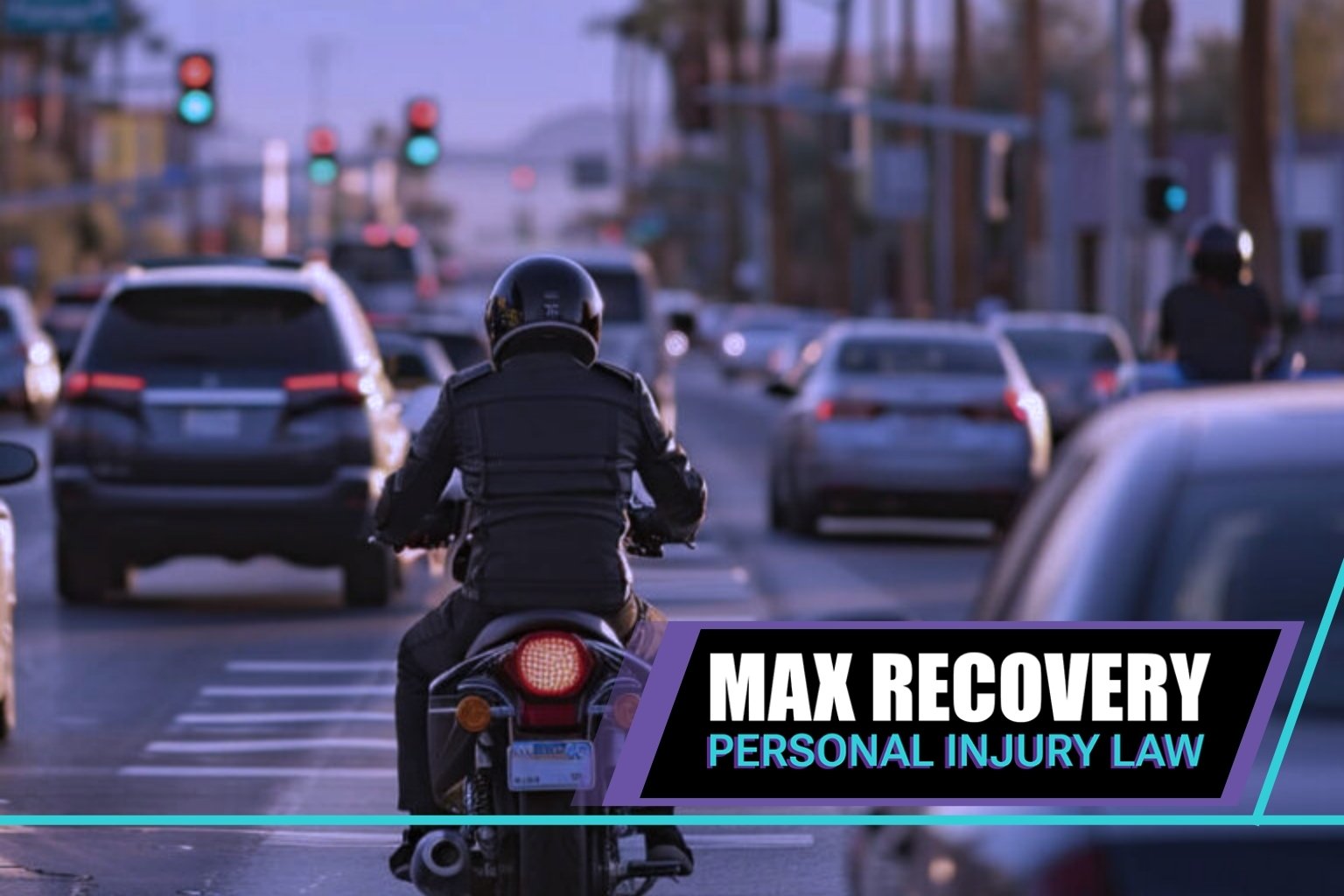
Motorcycle riders in North Carolina often ask whether lane sharing is legal and what rules apply when riding in traffic. The short answer is that motorcycle lane sharing laws in North Carolina are strict, and in most situations, lane sharing is not permitted. Understanding how lane sharing laws in North Carolina work is important for both safety and legal protection after an accident.
Motorcycles are common on North Carolina roads, especially in areas like Charlotte, Raleigh, and along highways such as I-40 and I-85. Knowing your rights and responsibilities can help you avoid costly mistakes and better understand what happens if a crash occurs.
What Is Lane Sharing and How Is It Different From Lane Splitting?
Lane sharing typically refers to two motorcycles traveling side by side within the same traffic lane. This is different from lane splitting, which occurs when a motorcycle moves between lanes of slow or stopped traffic, usually riding along the painted lines that separate lanes of cars.
While some states, such as California, allow lane splitting under certain conditions, this practice remains illegal in North Carolina. Motorcyclists must generally follow the same basic lane rules as all other vehicles, occupying a single full lane and refraining from weaving between cars.
Are Motorcycles Allowed to Share Lanes in North Carolina?
Under motorcycle lane sharing laws in North Carolina, motorcycles are generally required to occupy a full lane. This means riders cannot legally travel between lanes of traffic or share a lane with another vehicle, except in very limited circumstances.
North Carolina law does allow two motorcycles to ride side by side in a single lane. However, this is different from lane splitting or weaving between vehicles. According to the North Carolina General Statutes, motorcyclists must maintain safe and predictable positioning within traffic.
Understanding these distinctions is critical because violating motorcycle lane sharing laws in North Carolina can impact liability if an accident occurs.
Why Lane Sharing Is Restricted in North Carolina
There are several reasons why motorcycle lane sharing laws in North Carolina prohibit lane splitting and similar behaviors. Safety is the primary concern. Drivers may not expect motorcycles to pass between lanes, increasing the risk of collisions.
Additionally, limited space between vehicles can make it difficult for riders to react quickly. Even a small movement by another driver can lead to serious consequences. According to the National Highway Traffic Safety Administration, visibility and reaction time are key factors in motorcycle accident prevention.
Because of these risks, motorcycle lane sharing laws in North Carolina promote predictable traffic patterns and reduce accidents.
How Lane Sharing Laws Affect Fault in an Accident
Motorcycle lane sharing laws in North Carolina can play a major role in determining fault after a crash. If a rider is lane splitting or riding in a way that violates traffic laws, insurers and opposing parties may use that against them.
North Carolina follows a contributory negligence rule. This means if you are even slightly at fault, you may not be able to recover compensation for your injuries. Because of this, following lane sharing laws in North Carolina is especially important.
If someone disputes fault, reviewing your case through our motorcycle accidents page can help you better understand how liability is determined.
Common Causes of Motorcycle Accidents in North Carolina
While lane sharing violations can contribute to accidents, they are not the only cause. Many crashes occur due to driver negligence, road conditions, or lack of visibility.
Some of the most common causes include:
- Drivers failing to check blind spots
- Sudden lane changes
- Distracted driving
- Poor road conditions
Even when following motorcycle lane sharing laws in North Carolina, riders are still at risk due to other drivers’ actions.
What Happens If You Are Injured While Lane Sharing?
If you are injured in an accident while violating motorcycle lane sharing laws in North Carolina, your ability to recover compensation may be affected. Insurance companies often examine rider behavior closely, and they can use any violation of traffic laws to argue that you contributed to the accident.
However, every case is different. Even if lane sharing is involved, other important factors may still influence the outcome, including the actions of other drivers and the conditions of the road. Understanding how these elements work together is key to evaluating your claim.
Key Factors That May Affect Your Compensation
If you are involved in this type of situation, here are several factors that may impact your case:
- Fault and contributory negligence. North Carolina follows a strict contributory negligence rule, meaning even a small percentage of fault could limit your ability to recover compensation.
- Driver behavior. If another driver was speeding, distracted, or failed to yield, their actions may still play a major role in the accident, even if lane sharing occurred.
- Evidence from the scene. Police reports, photos, witness statements, and video footage can all help clarify what happened and may support your claim.
- Severity of injuries and damages. Medical records, treatment costs, and long-term effects are all considered when determining compensation, regardless of how the accident occurred.
- Insurance company evaluation. Insurers may attempt to reduce payouts by focusing on lane sharing, but they must still consider all contributing factors.
- Claim handling and documentation. How quickly and accurately your claim is reported can influence the outcome, including how the insurance rates after a car accident in North Carolina may be affected if a related claim is filed.
Even if you believe you may have violated motorcycle lane sharing laws in North Carolina, it is still important to review your situation carefully. In many cases, multiple factors contribute to an accident, and liability is not always as straightforward as it may seem.
Understanding your legal options early can make a significant difference in the outcome of your case and help you make informed decisions about how to move forward.
Tips for Staying Safe While Riding in North Carolina
Following motorcycle lane sharing laws in North Carolina is just one part of staying safe on the road. There are several additional steps riders can take to reduce risk and improve visibility.
- Stay in a visible position within your lane
- Avoid riding in blind spots
- Maintain a safe following distance
- Use signals clearly and early
- Wear protective gear at all times
These practices can help prevent accidents and reduce complications if a crash occurs.
Steps To Take After a Motorcycle Accident
Taking the right steps after an accident can protect both your health and your legal rights. It can also influence how insurers handle claims and how courts determine fault under motorcycle lane sharing laws in North Carolina.
- Check for injuries and call emergency services. Safety should always be your first priority.
- Contact law enforcement. A police report can be critical when determining liability.
- Exchange information. Collect details from all involved parties.
- Document the scene. Take photos of damage, road conditions, and surroundings.
- Notify your insurance company. Prompt reporting helps avoid delays.
- Keep records. Save medical bills, repair estimates, and communications.
When To Contact a Legal Professional
There are situations where seeking legal guidance is important after a motorcycle accident. If you have been injured, if someone disputes fault, or if your claim is delayed, understanding your rights early can help you avoid costly mistakes.
Our team’s expert legal guidance can also help ensure that motorcycle lane sharing laws in North Carolina apply correctly when determining fault.
Frequently Asked Questions
1. Is lane splitting legal in North Carolina?
No, lane splitting is not legal under motorcycle lane sharing laws in North Carolina. Riders are required to stay within a single lane and follow the same traffic rules as other vehicles. This means you cannot ride between lanes of traffic, even in slow or stopped conditions. Violating this rule can not only result in a citation but may also affect liability if an accident occurs.
2. Can two motorcycles share the same lane in North Carolina?
Yes, two motorcycles are allowed to share a single lane under certain conditions. This is sometimes referred to as riding side by side and is permitted as long as both riders do so safely and without interfering with traffic. However, this is very different from lane splitting between vehicles, which is not allowed under motorcycle lane sharing laws in North Carolina.
3. What happens if I am in an accident while lane splitting?
If you are involved in an accident while lane splitting, it can significantly impact how fault is determined. Because lane splitting is not permitted under motorcycle lane sharing laws in North Carolina, insurance companies may argue that you contributed to the accident. This could limit your ability to recover compensation, especially given the state’s contributory negligence rules.
4. Do I need a lawyer after a motorcycle accident?
Not every motorcycle accident requires legal representation, but having guidance can be very helpful in certain situations. If there are injuries, disputes about fault, or delays with your insurance claim, speaking with a legal professional can help you understand your options. Taking this step early can also help protect your financial interests and avoid costly mistakes.
5. How can I reduce my risk while riding in North Carolina?
Reducing your risk starts with following all traffic laws, including motorcycle lane sharing laws in North Carolina. Staying visible, avoiding blind spots, and maintaining a safe distance from other vehicles are also important. Wearing proper protective gear and staying alert in high-traffic areas can further reduce your chances of being involved in an accident.
Contact Our Firm For A Free Consultation
If you have been involved in a motorcycle accident in North Carolina, do not wait to seek guidance. Our legal team is here to provide clear answers and dependable support during a stressful time.
Contact us today for a free consultation. We will review your situation, explain your options, and help you take the next step with confidence.
With a strong commitment to client advocacy and a focus on results, our team is dedicated to protecting your rights and helping you move forward.

 AI Review Summary


